INSIGHTS
All Insights
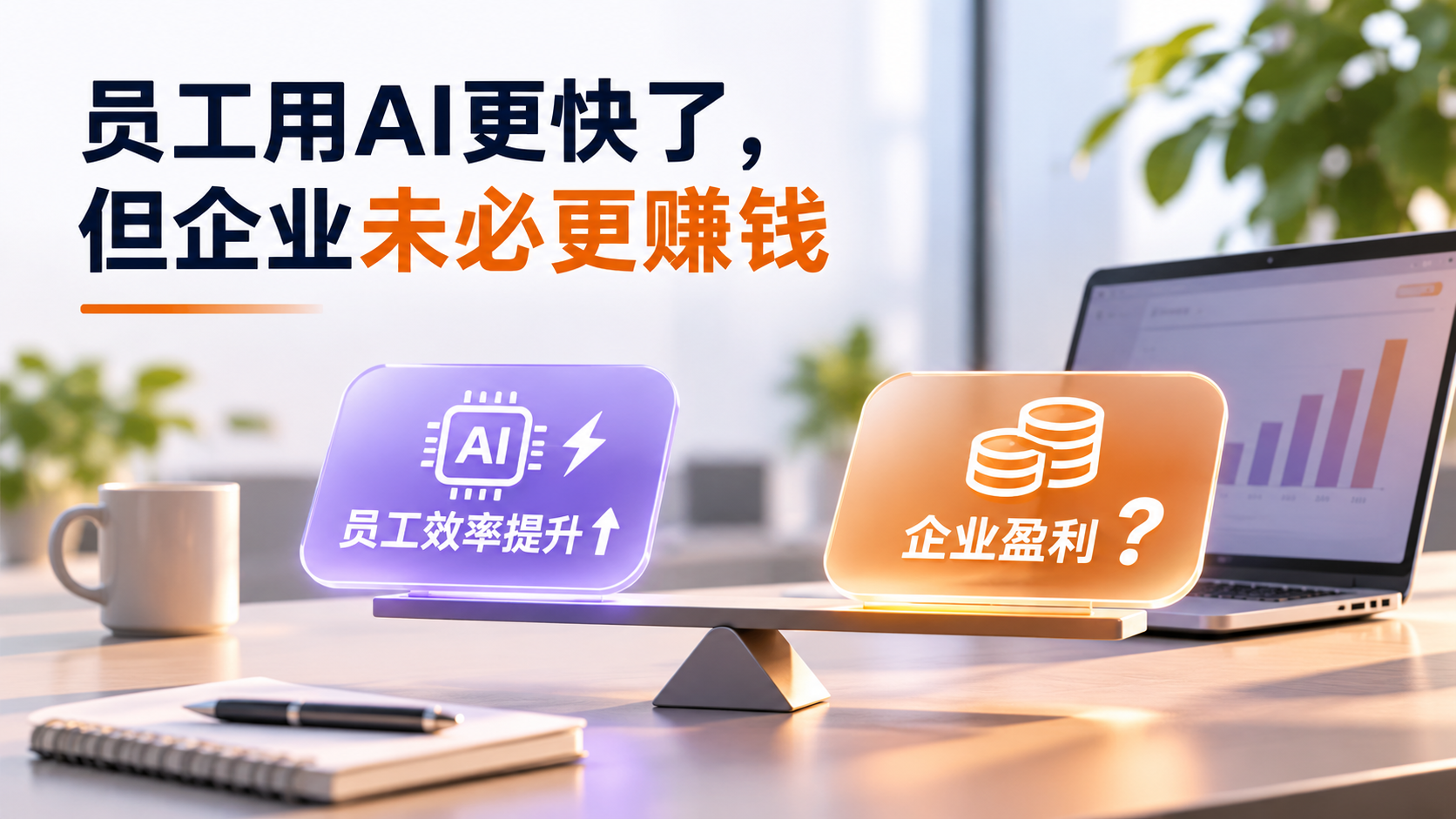
Employees Work Faster with AI, But Companies Don't Necessarily Earn More
The article highlights that while AI adoption improves employee efficiency, it doesn't automatically translate to financial gains. The key lies in converting saved time into business value, emphasizing holistic process improvement over isolated speed boosts, and balancing efficiency with quality control.
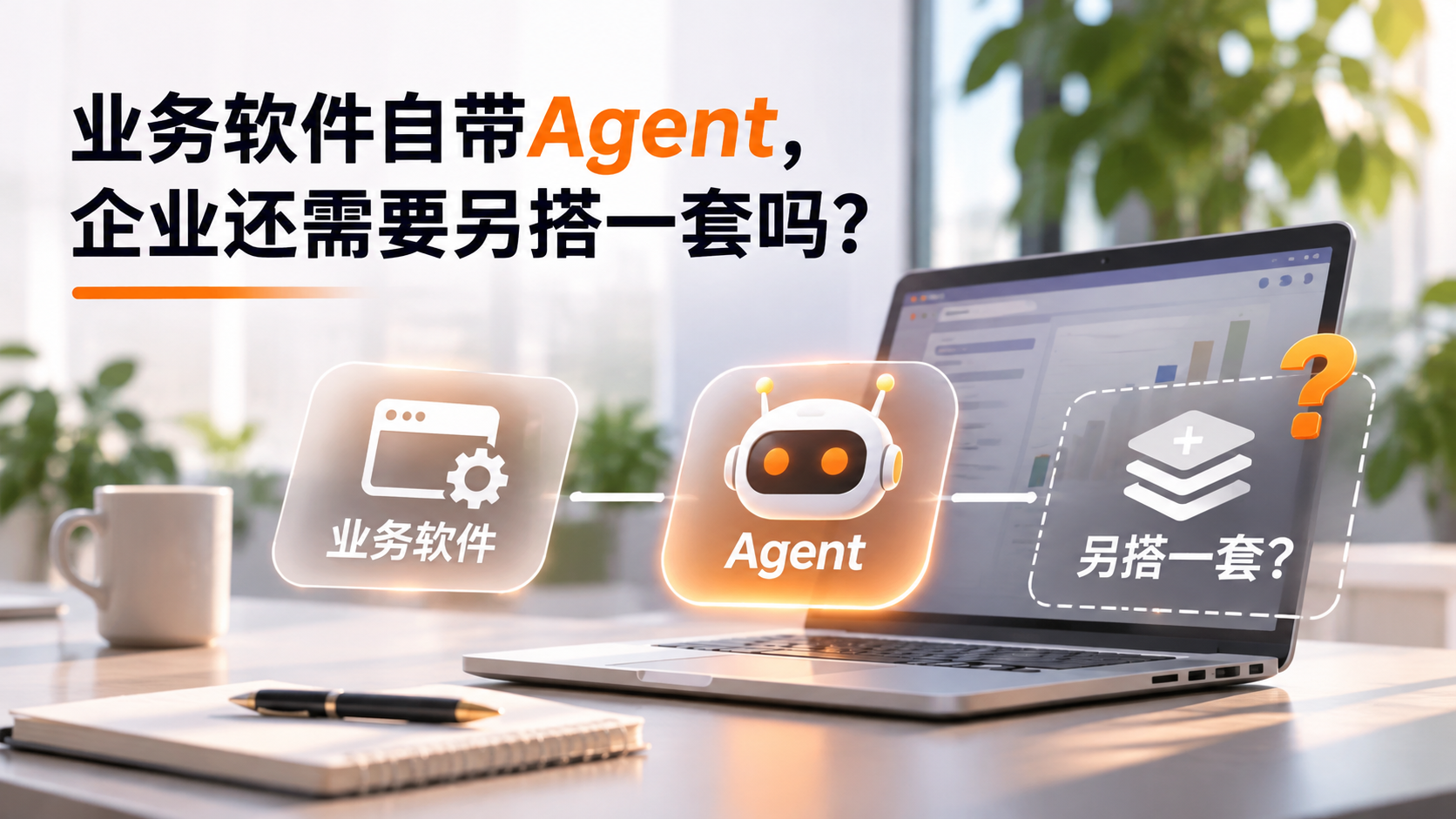
When Business Software Comes with Built-in AI Agents, Does Your Enterprise Still Need a Separate Platform?
Enterprises face a choice: use the AI Agent capabilities embedded in existing business software or build an independent platform. This article analyzes the pros and cons of both approaches, emphasizing the need to align decisions with actual business requirements, maintenance costs, and integration depth.
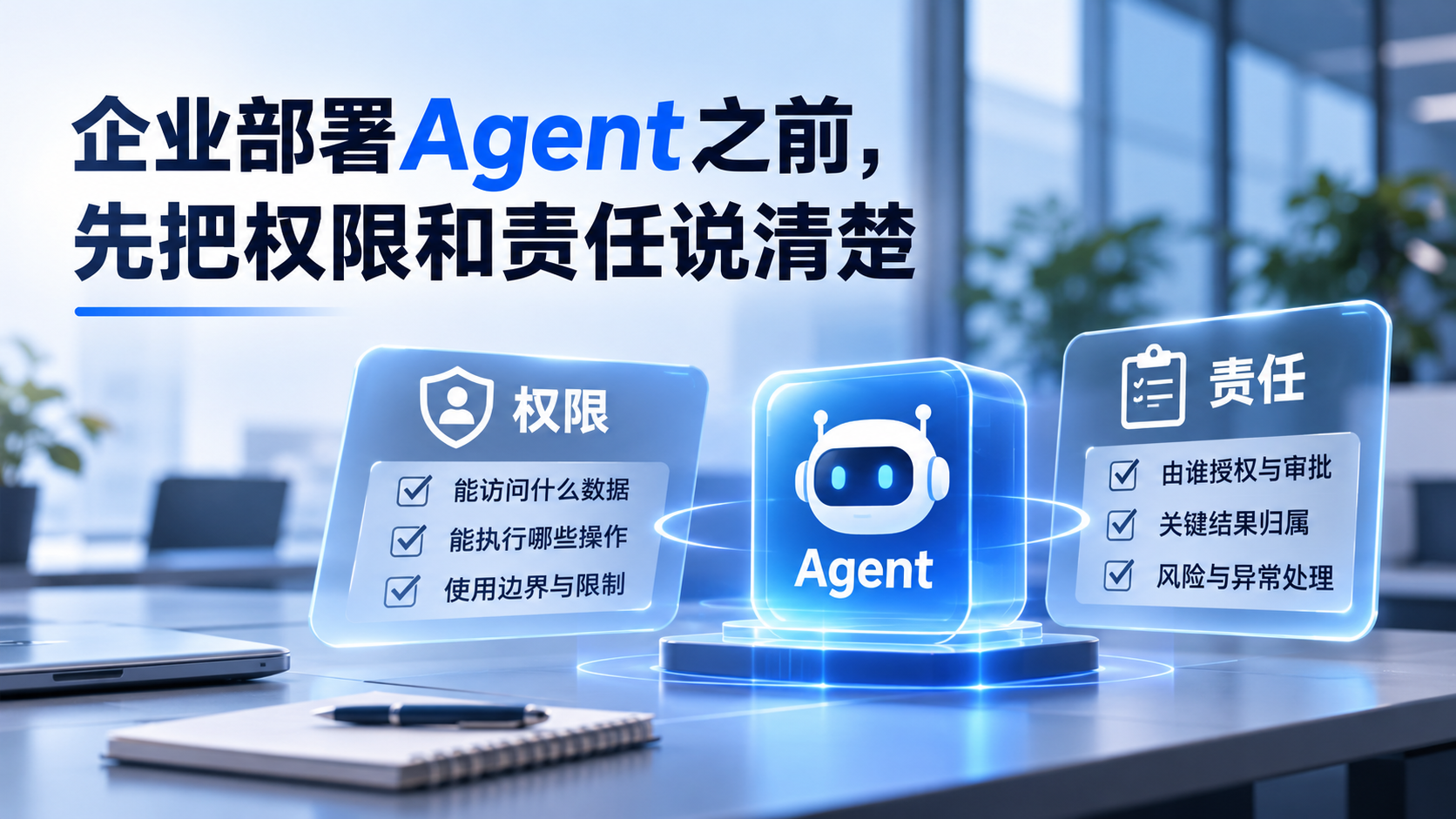
Clarify Permissions and Responsibilities Before Deploying Enterprise AI Agents
When deploying AI agents, enterprises must define clear permission boundaries and accountability to mitigate operational risks. Implement controlled access through account privileges, tool restrictions, and workflow design, while establishing robust approval mechanisms and responsibility assignment.
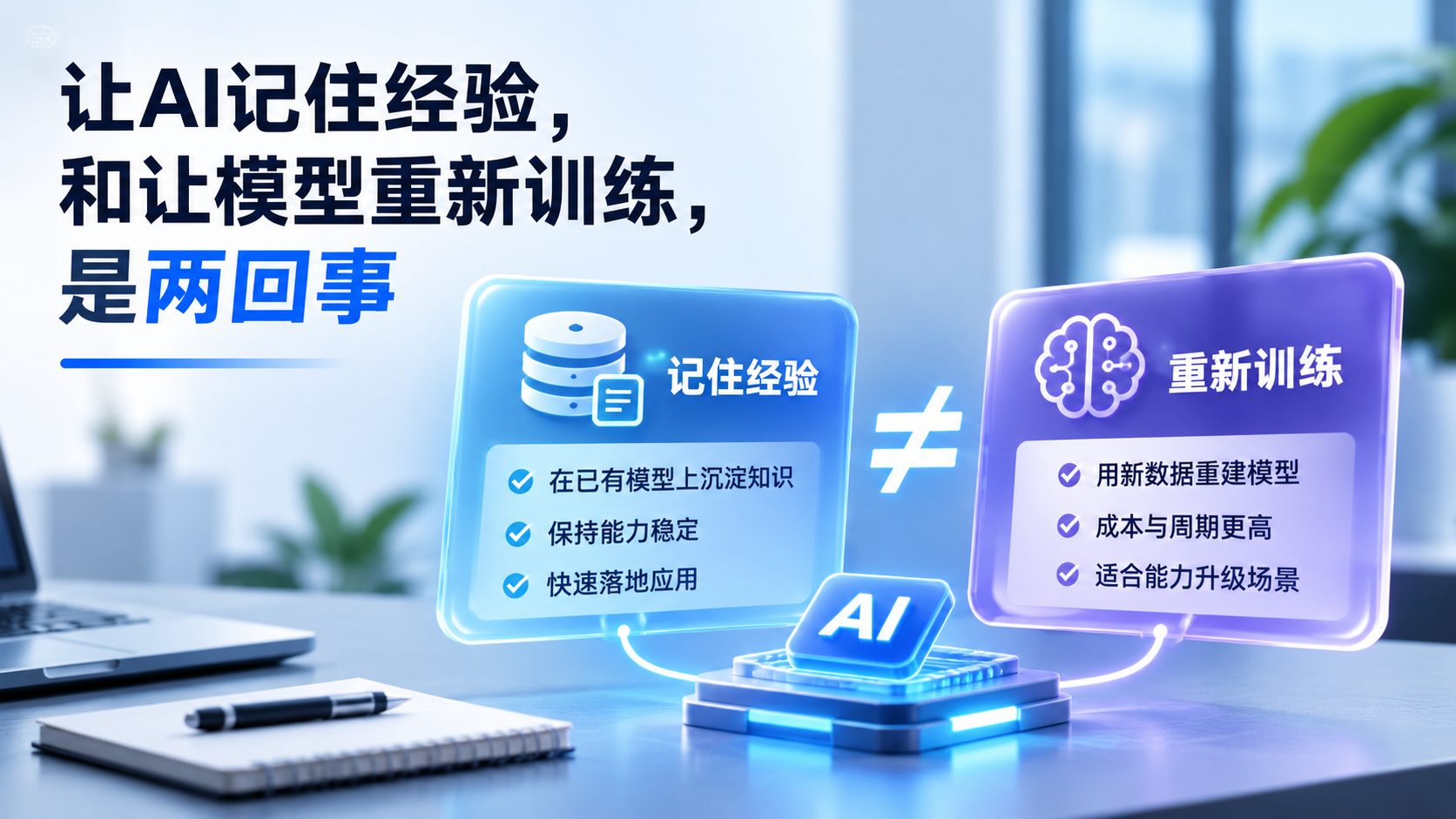
Remembering Experience vs. Retraining Models: Two Distinct Processes in AI
This article examines the fundamental differences between experience accumulation and model training in enterprise AI systems, highlighting how knowledge updates, memory retention, and parameter optimization require distinct system architectures and maintenance approaches.
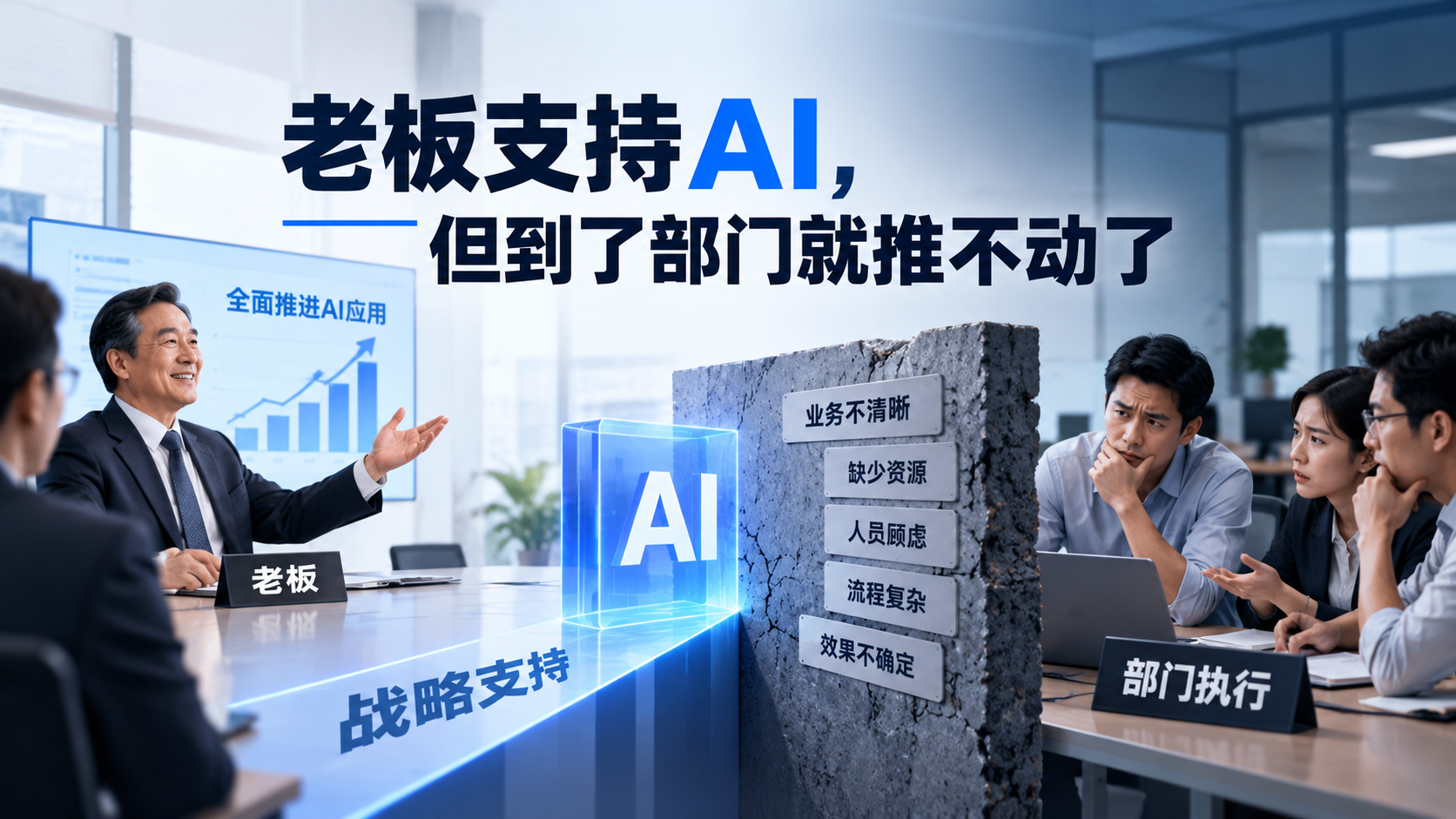
Leadership Backs AI, But Departments Struggle to Execute
Enterprise AI transformation often faces departmental resistance due to operational pressures, cross-functional collaboration barriers, and managerial concerns. Effective implementation requires clear task prioritization, resource reallocation, and translating executive support into concrete decision-making.

Who Gets the Time Saved by AI?
This article examines how enterprises should allocate time saved through AI efficiency gains. It emphasizes the need for clear work adjustment plans and proper recognition of employee contributions to avoid demotivation from simply increasing workloads.
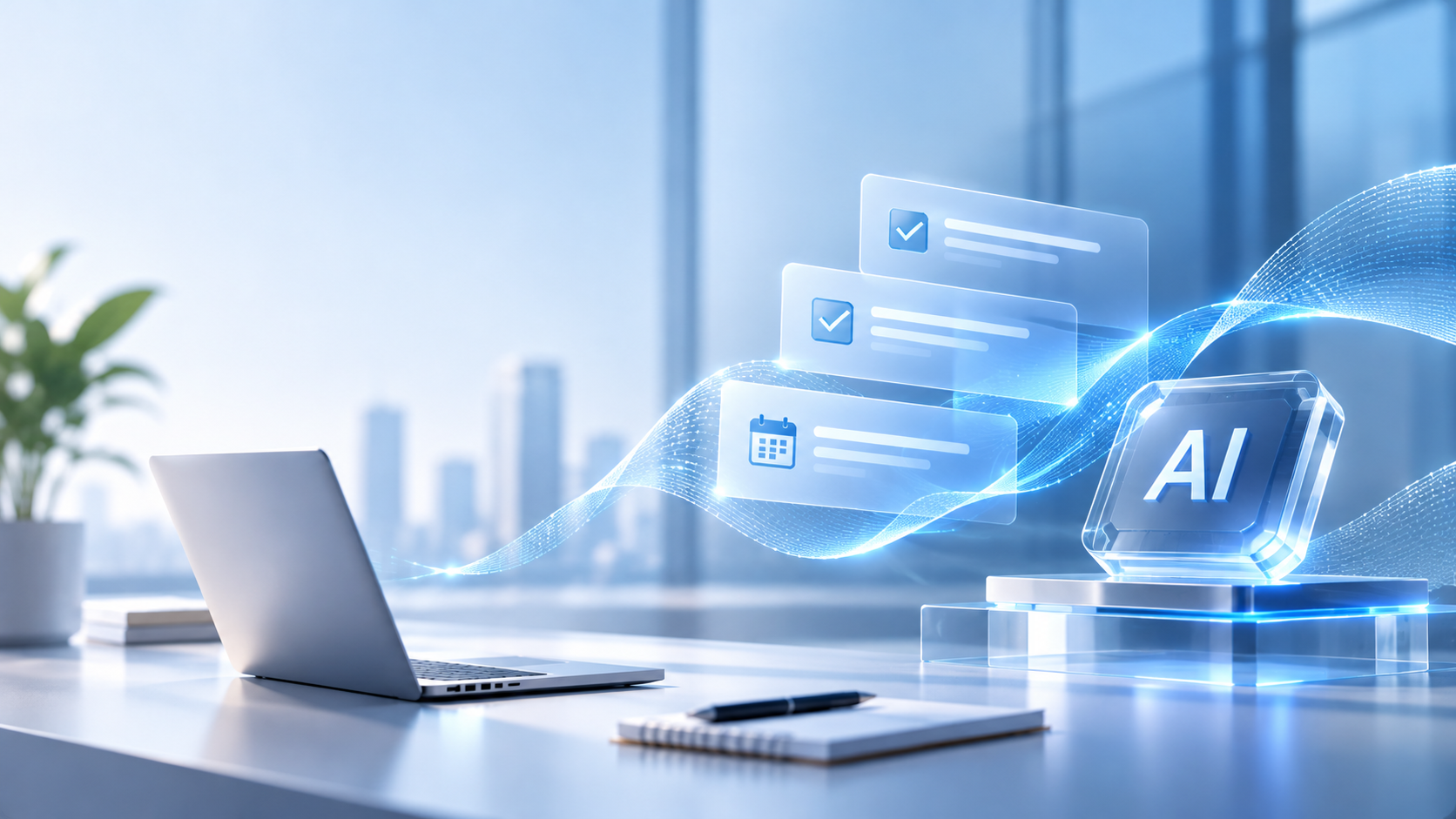
From Passive Responses to Proactive Management: AI Assistants Begin Taking Over To-Do Lists
AI assistants are evolving from reactive tools to proactive task managers, exemplified by Claude Duet's capabilities in information aggregation, proactive reminders, and continuous task follow-up. The key lies in clearly defining task objectives and context to prevent AI from producing ineffective outputs due to misinterpretation. Experts recommend starting with repetitive tasks to gradually validate AI's ability to handle changes and information gaps.